

Peugeot 9X8 (42156): two power units, two differentials, no gearbox
There are two power units in this car and you build both. A V6 with moving pistons sits behind the driver and is turned by the rear wheels. At the front, a pair of Hero Factory weapon barrels stand in for the electric motor, mounted in a 7 x 11 frame and geared to a differential of their own. The Brothers Brick called it the first Technic car to show a fuel engine and an electric one together, and it is the reason the underside is worth a look before the wheels go on.
The other thing is what is missing. The real 9X8 was the first wingless hypercar in the World Endurance Championship and LEGO kept the idea, so the back is two small fins with a low spoiler plate between them and a row of tail lights. There is no gearbox either, which one reviewer marked it down for. It is in the Brick Club library, one member has built it and sent photos, and below is what it does, how the five building stages split the work and where to slow down.

Why this one matters
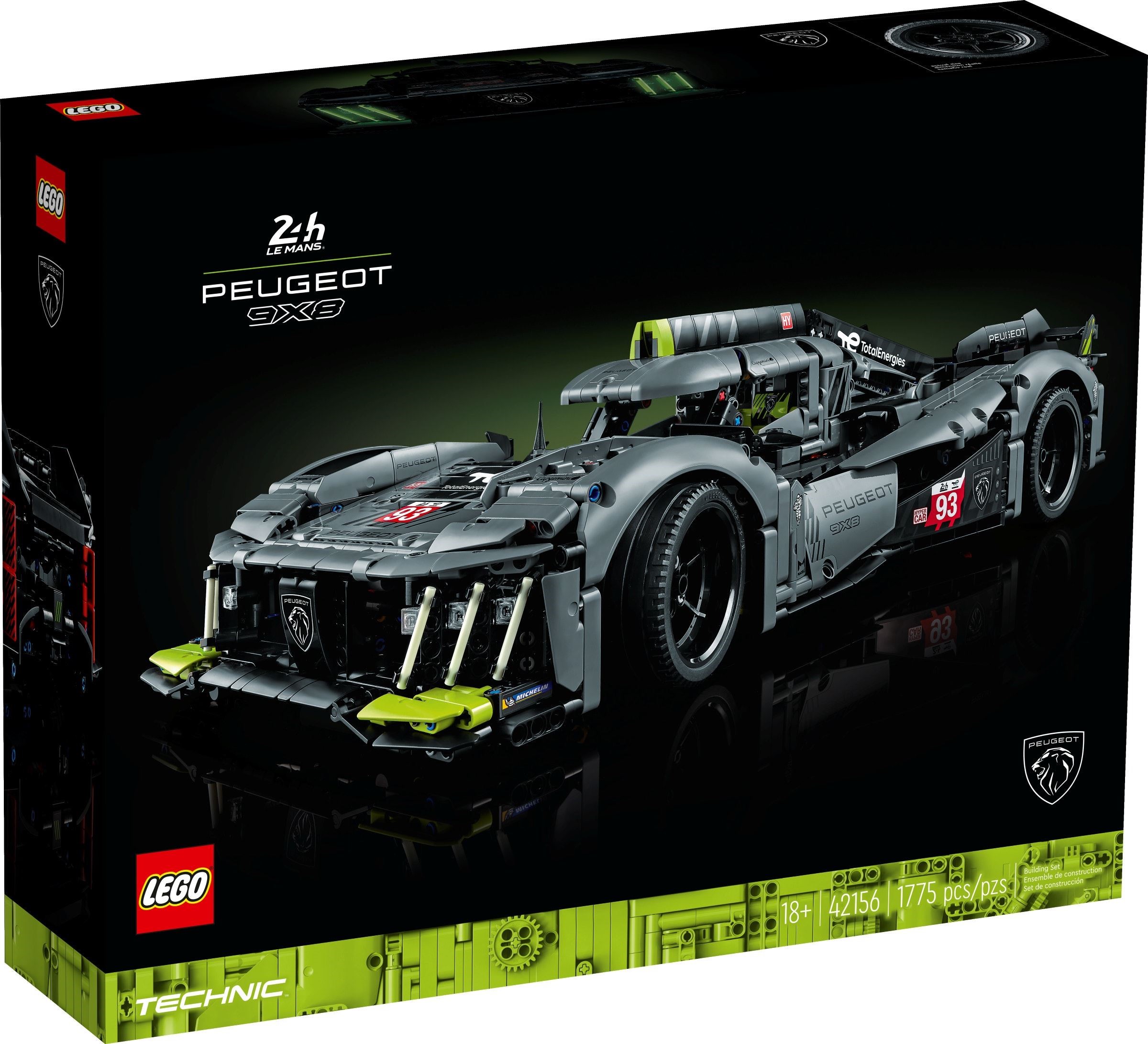
Scale first. It is one of LEGO’s 1:10 cars rather than the 1:8 flagships, so it comes in at 1,775 pieces and 50 cm long, and Jay’s Brick Blog noted it has decent heft, as you would expect from over 1,700 pieces. It launched on 1 May 2023, a month before the real car’s Le Mans debut in the race’s hundredth year, and Brickset has it retired at the end of 2025.
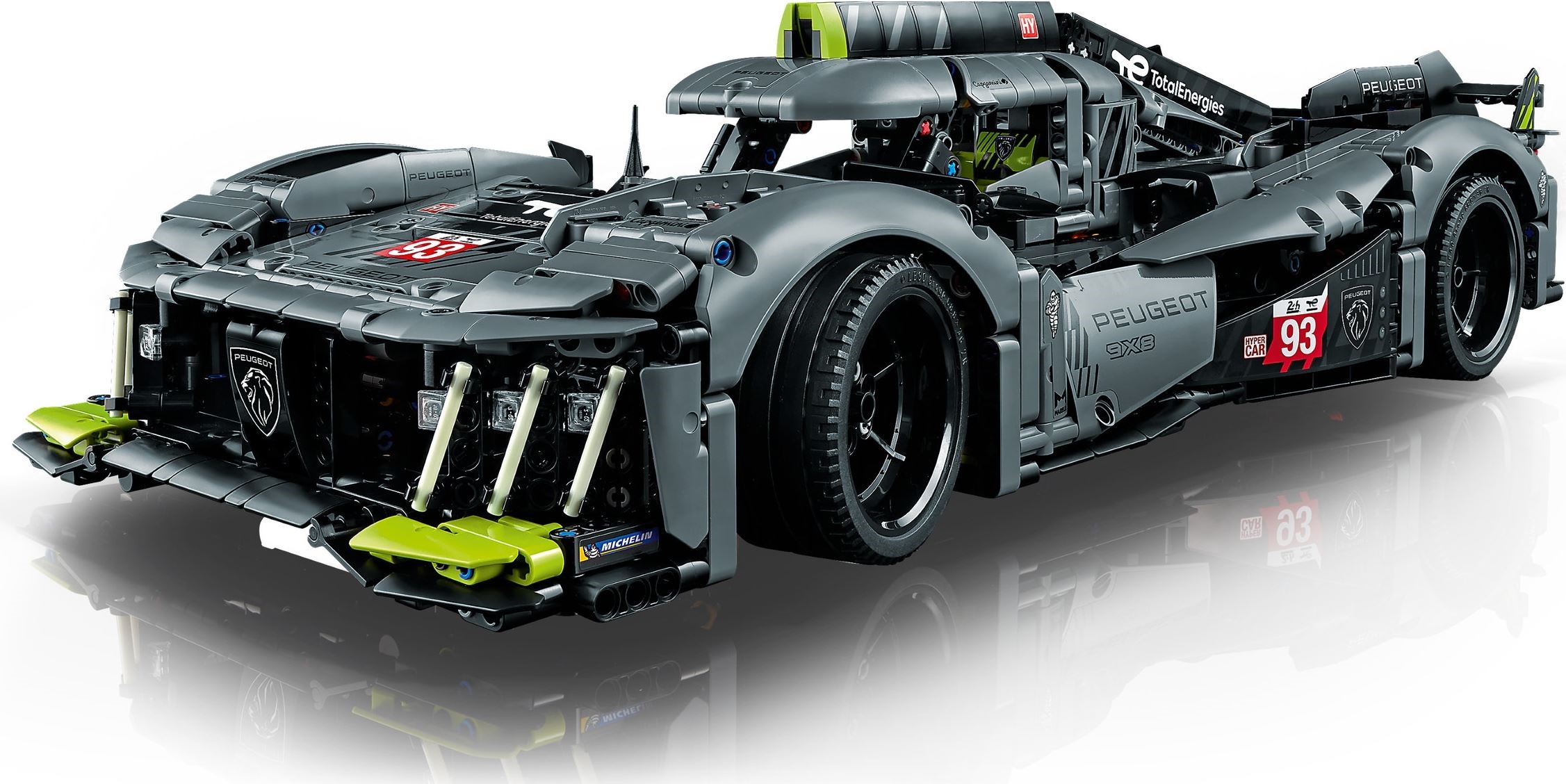
The body is the achievement. Almost all of it is dark grey, which Jay’s Brick Blog found a bit dull and The Brick Fan thought could have used more colour, and the designers built the shape from existing panels rather than new moulds. The only new part in the box is a black L-shaped beam with alternating holes. The rest is rare recolours: light grey engine covers, big black tapered mudguards carrying the side stickers, dark grey mudguards at the rear, and the corner panels that were the headlights on the 2022 Ford GT (42154).
The stickers need a word. There are two sheets, and the reviewers do not agree on the count: The Brothers Brick counted 58, The Brick Fan says the sheets are numbered to 41. Either way it is a lot, though Jay’s Brick Blog found them spread out enough through the build not to feel like it. The set also works with Build Together in the LEGO Builder app, which splits the steps so several people can build at once.
What it actually does
Everything is worked by hand. No motors and no gearbox. Four reviewers built it, and where a drive path is drawn below it comes from their write-ups.
Push the car along and the rear wheels turn the rear differential, which turns the V6 behind the driver’s seat. That is the whole drivetrain: there is no gearbox at this scale, so nothing sits between the axle and the engine. The block is the usual Technic V6 in a mix of colours, and BricksFanz found the piston stage went together without trouble, which is not always true of these. Once the body is on you can still see the engine through the two vents behind the cockpit.
There is a knob on the roof behind the cockpit and a rectangular yoke inside, and they are geared together, so turning one turns the other. The axle between them runs under and then behind the driver’s seat, and from underneath you can see it between the lime green beams. Jay’s Brick Blog found the knob small and the tyres grippy, so it takes a firm twist.
Not the usual pair of small shock absorbers a side. Each end of the car rides on one of the large springs that had only appeared before on the BMW M 1000 RR motorcycle (42130), one spring per axle according to The Brothers Brick, though Jay’s Brick Blog describes the suspension as independent at all four wheels. At the back it sits under the differential; at the front it sits on top of everything, and it is the big blue spring you see when you open the bonnet. There is not much travel at the front and more at the back, and the ride height stays low, which Jay’s Brick Blog noted is unusual with working suspension.
This is the bit nobody had done before. Two Hero Factory weapon barrels represent the electric motor, mounted in a 7 x 11 frame that had only been used in LEGO Education sets, and they connect to the front wheels through a differential of the less common type. That differential has more friction than the one at the back, so the front turns with a little more effort; it is not a fault. Grey rigid hose is bent across the passenger side of the cockpit to stand in for the cables running to it.
The doors swing up and out. The mechanism is simple and the angle is wide enough to reach the steering wheel, but they do not hold themselves up for long and they pop open when you pick the car up by the sills, which is where your hands go. The bonnet opens forward on a linkage and the beams hold it up, showing the front spring and the red gear on the front differential.
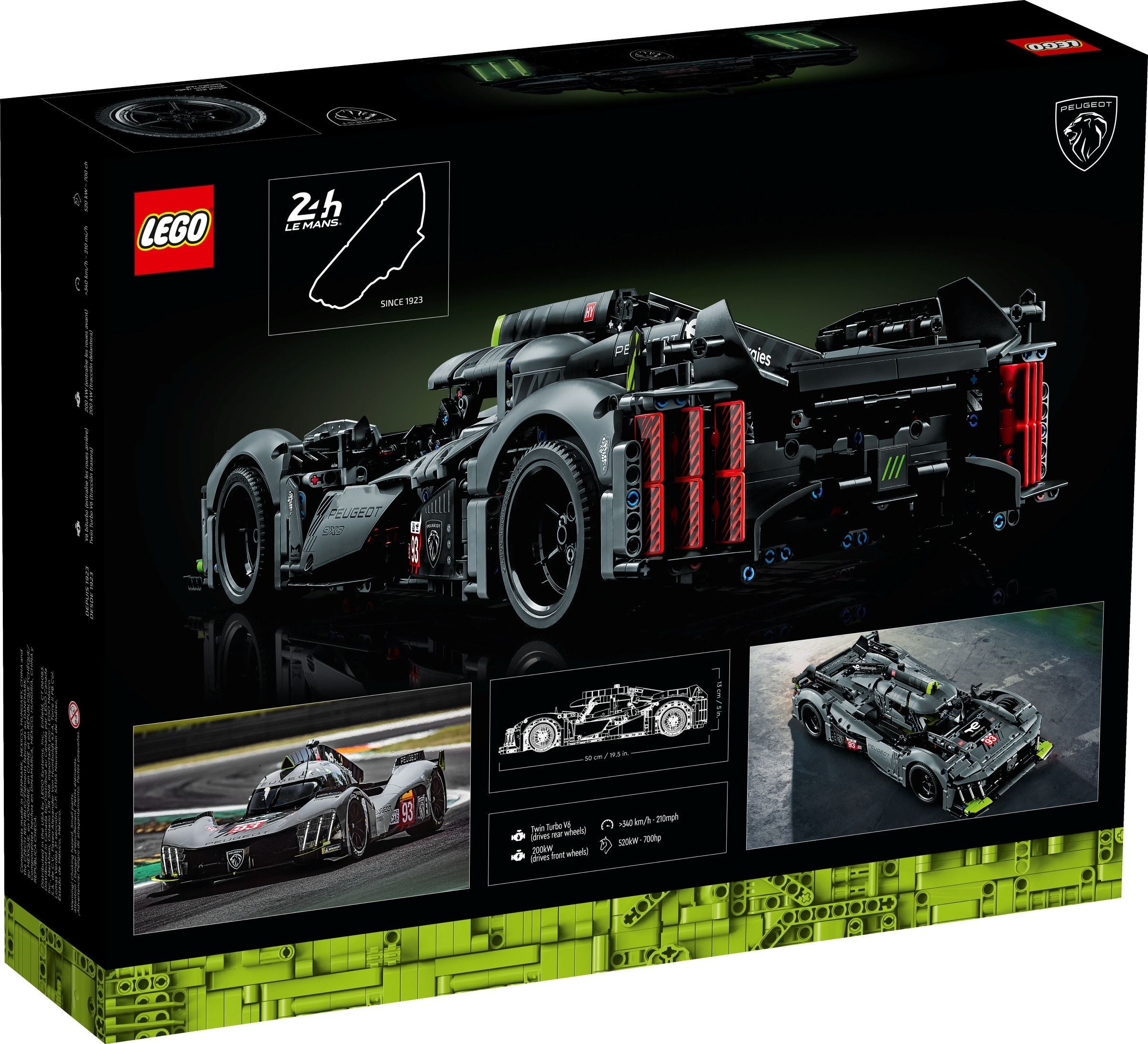
All the rear bodywork is built as one assembly and just sits on a few axles in pin holes. Lift it off in one piece and the V6, the rear differential and the rear spring are all in view. It is not fixed, so turn the car over and it will fall off; The Brothers Brick suggests swapping the axle pins for plain black pins if you want it solid.
How the build goes
Five numbered stages. The Brothers Brick counted 16 bags numbered 1 to 5, three unnumbered bags of larger parts and four loose tyres. Jay’s Brick Blog built it a bag a sitting over several days; our member build page puts it at three to four hours.
Rear differential, V6 and rear chassis
You start with the rear differential and the small CV joints either side, which are meant to slide freely on their axle. The big spring goes under the differential, the V6 is built and the two are joined with a pair of long frames, then two light grey panels cover the engine. Push the axle by hand and watch the pistons before you go on.
Front motor, seat, steering and the join
The chassis grows forward: the barrel motor in its frame, the front differential, the lime green seat, the steering and the front spring on top. Leave the steering wheel gear loose as the manual shows until the assembly is finished. Then the two halves meet. The Brothers Brick found the join easier than most: the pins are set halfway into one side first and pushed home once the halves are together.
Centre bodywork and cockpit
Panels for the middle of the car, the last of the steering, and the cockpit is closed in. From here the roof knob works. The doors go on. There is no windscreen: curved pieces above and a black mudguard laid sideways below give the shape, and reviewers were split on whether it reads right.
Rear bodywork
The tail. Rare black and red panels and orange connector beams make the tail lights and the fins, the lights are red panels with striped stickers, and the whole section is built as the lift-off piece. Dark grey mudguards finish the rear arches.
Nose, bonnet, headlights and wheels
Glow-in-the-dark 4L rods clipped into small L-beams at angles for the headlights, the tops of the front arches, then the bonnet on its linkage with a lot of the stickers on it. A 15L black mudguard rounds off the window area. Wheels last.
Nothing here is a manual error. These are the points the four reviewers flagged.
- Black against dark grey. BricksFanz’s one warning: there are black and dark grey pieces that are easy to swap at a few points. Check the colour call-out on each step.
- The steering wheel gear. It goes on loose as a placeholder and is only pushed into position when the whole assembly is finished. Push it home early and the wheel and the roof knob will not line up.
- The doors open when you lift the car. Your hands go to the sills, the doors pop up and your grip goes. Pick it up under the nose and the tail.
- The rear body is not attached. It sits on axles in pin holes. Turn the car over to look underneath and it falls off. Lift it off first, or swap the axle pins for black pins if you want it fixed.
- The front differential feels stiff. It is a different differential from the rear one and it has more friction. It takes a little more effort to spin, and that is normal, not something to take apart.
On the shelf
It is 50 cm long, 22 cm wide and 13 cm high, so it wants a full shelf, and it sits low: Jay’s Brick Blog noted the gap between the floor and the ground is about as small as LEGO could make it with working suspension. The colour is dark grey front to back with lime green at the splitter, the roof intake and the seat, and the TotalEnergies and number 93 stickers doing the rest. In a dark room the headlights glow, which Jay’s Brick Blog found gave it a very intimidating look.
From behind, Jay’s Brick Blog found the many visible blue pins a little disruptive, and the tail lights are red panels rather than transparent red. Leave the rear body on for display and lift it off to show the engine.
Members who have built it
One Peugeot has come back through the door with photos so far. The member build page puts it at three to four hours. The diary is linked under each picture.


It is the one for you if you want a race car that builds in a couple of evenings and shows its working without a gearbox in the way. It is the one to hope for if the hybrid idea appeals: two power units, two differentials, and you build both. It will disappoint if a car without a gearbox feels like a car without a point; Jay’s Brick Blog marked it down for exactly that. Allow two evenings, check every grey part against black, and leave the steering wheel gear loose until the manual says otherwise.
If you like this one, try
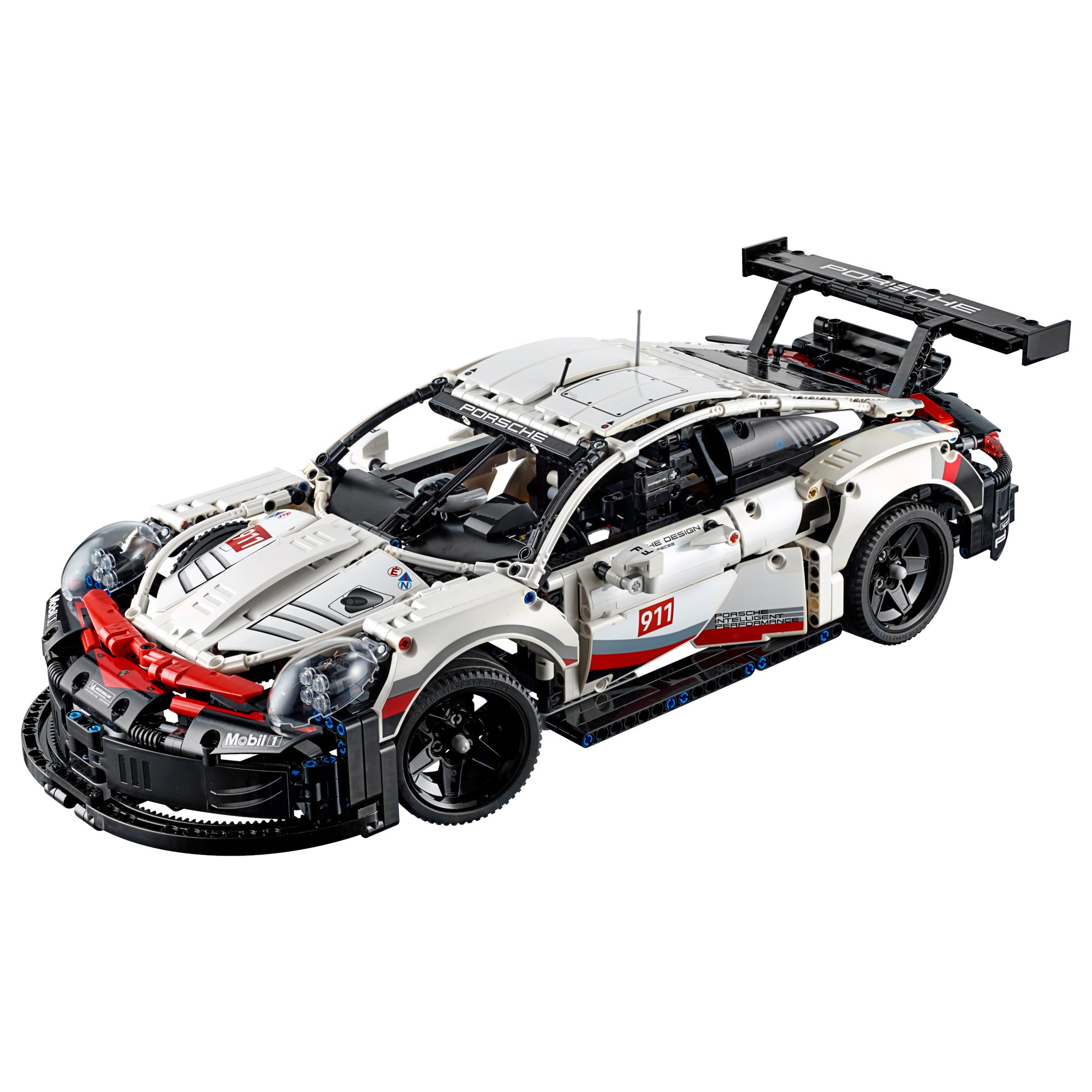
Other cars in the library to try next. The Ford GT shares panels with this one, the Ferrari and the Porsche are the endurance racers, and the McLaren is the other V6 hybrid.



The Peugeot 9X8 is in the library
Technic Fan gets up to 6 kits a year, Master Builder up to 12. Delivery both ways is included and the prepaid return label is in the box.